Content & Algorithm
The LinkedIn algorithm changed in 2026: what still works
LinkedIn's rules for reach have changed in a big way.
If posting feels less rewarding than it used to, you're not imagining it. LinkedIn has reorganized how it distributes content, and the effect is clear: what used to work through sheer repetition has lost power, and relevance now matters most. Understanding this shift is what separates people who complain about reach from people who benefit from it.
What died (and now only gets in the way)
- Posting several times a day: your posts end up competing with each other and eating into their own reach
- Shallow, generic content that doesn't hold attention long enough
- Chasing likes with empty one-liners
- Relying on the size of your network alone to be seen
What works in 2026
- Depth: posts that make people stop and actually read
- Thematic consistency: owning a few topics and showing up regularly
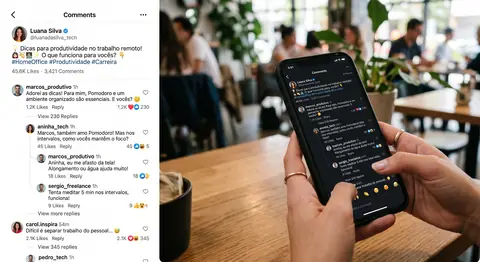
- Quality engagement, such as comments and saves, which tend to count more than likes
- Relevance to the right audience over raw reach to anyone
The logic behind the change
LinkedIn now favors people who create real impact over people who produce volume. Instead of rewarding frequency, the system values the time people spend reading your content and the quality of the conversations it sparks. The more a post holds attention and starts discussion, the more widely it tends to be shown, including beyond your network.
In practice, this is great news for anyone with clear positioning: you no longer need to post every day to stand out. You need to post with intent. Defining that intent (topics, angle, rhythm) is exactly what a good strategy does.