Content & Algorithm
Dwell time: the 2026 secret is getting people to stop and read your post
One signal can matter more than likes or followers when LinkedIn decides who sees your post: how long people stop to read it.
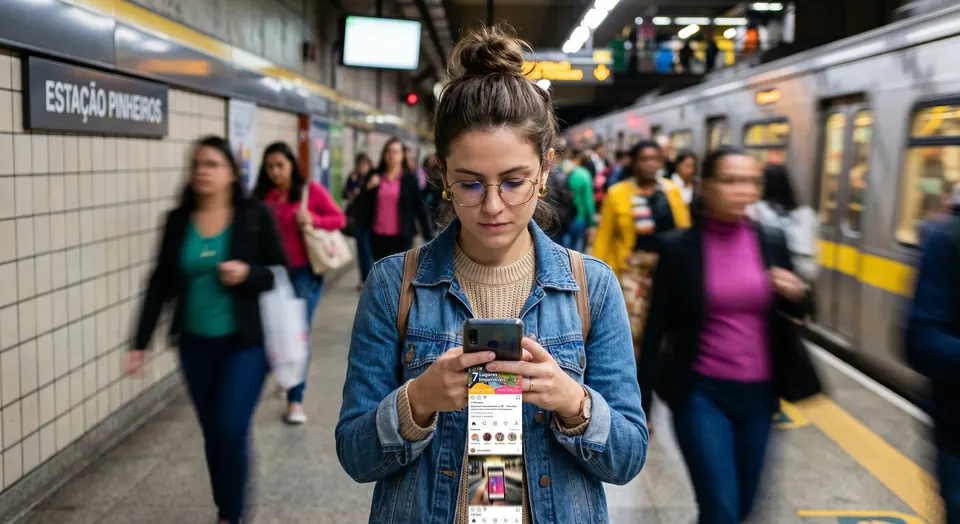
LinkedIn pays close attention to how people behave in the feed. One of the signals it is understood to value most is dwell time: how long someone pauses on your post before scrolling on. When people stop and read, the system reads that as a sign the content has value, and it tends to show it to more people.
Why reading time became king
A like takes one second and says very little. Stopping to read a full post is a vote of attention that is hard to fake. That is why time spent on a post has become such a trusted quality signal: it measures genuine interest instead of a reflex. Shallow posts get scrolled past in a blink, and the algorithm notices that lack of interest.
How to make people stop
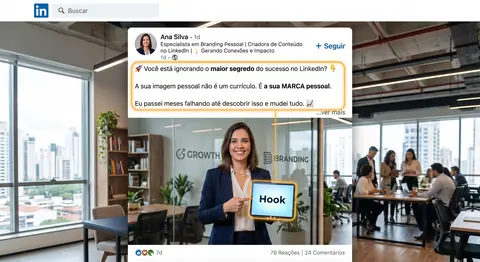
- A strong hook in the first lines that sparks curiosity
- Earning the "see more" click before the post gets cut off
- Scannable text, with short sentences and well-spaced ideas
- Real depth: saying something worth the reader's time
- A closing line that prompts reflection or invites a reply
Quality that turns into reach
When you write to hold attention, two things happen at once: people read more and engage more, and the algorithm tends to widen your reach because it sees that as a relevance signal. Rushed content works the other way, losing both the reader and the distribution.
The 2026 secret is making every second of attention count. Building content with that logic is what separates a presence that grows from one that gets lost in the feed.