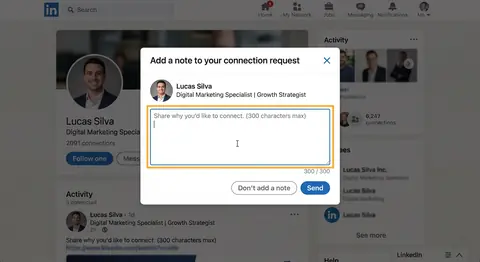
Social Selling
How to prospect without copy-paste spam
A generic message sent to a hundred people gets almost no replies, and it can damage your reputation.
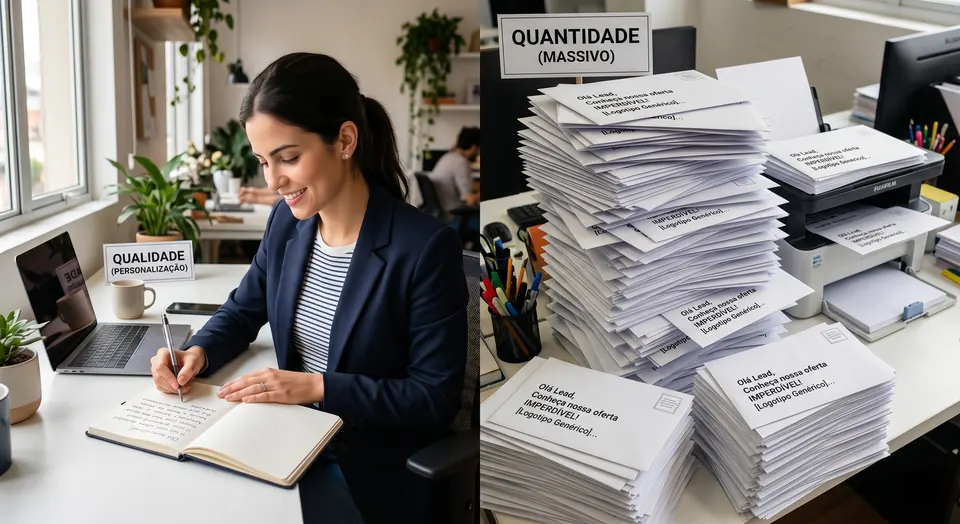
LinkedIn prospecting earned a bad name for one reason: the flood of identical, impersonal, obvious messages everyone has received. They give the impression that the sender has no idea who they are talking to, because they don't. The shortcut feels efficient because it is fast, but it costs you in results and in reputation.
Why copy-paste fails
When someone realizes they received a template, they feel like a number instead of a potential client. The message gets ignored and, worse, your name becomes linked to an intrusive approach. Instead of opening a relationship, you close a door and leave a mark on your reputation in the network.
What makes prospecting work
- Research first: understand who the person is and their context
- Relevance: connect your approach to something they genuinely care about
- Real personalization, well beyond swapping in their first name
- A focus on starting a conversation instead of closing a sale in the first message
- A human, respectful, no-pressure tone
Quality beats volume
Ten well-thought-out messages tend to yield more than a hundred automated blasts, in replies, conversations and business. Quality prospecting takes more work per contact, but it builds real relationships that can turn into opportunities and reputation. Think of it as an investment.
In the end, good prospecting means treating each person the way you would want to be treated: with context, respect and a clear reason for the conversation. That care is what separates the professional people remember from the sender they block.